Write your own text in a famous signature style
↻ Random Famous Signature
Hide Geometry Guides
Print 12-Box Practice Sheet
Your Custom Text or Name
Name Format
Full name (Alex Morgan)
Initial + Surname (A. Morgan)
Monogram initials (A.M.)
Choose Famous Signature Style (397 people)
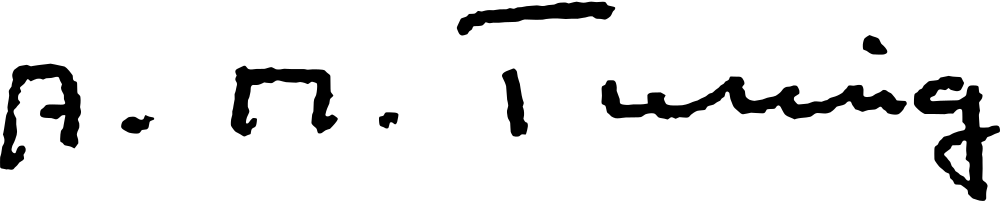
Abraham Lincoln — History & public life (Slant +19°, Cap 3.9×) Ada Lovelace — Science (Slant +40°, Cap 1.9×) Adam Sandler — Music & entertainment (Slant +19°, Cap 1.1×) Adam Smith — Arts & literature (Slant +38°, Cap 2.7×) Adele — Music & entertainment (Slant +10°, Cap 0.6×) Adolf Hitler — History & public life (Slant +20°, Cap 2.2×) Aishwarya Rai — Music & entertainment (Slant +26°, Cap 0.6×) Alan Turing — Science (Slant −5°, Cap 0.7×) Albert Camus — Arts & literature (Slant +31°, Cap 2.4×) Albert Einstein — Science (Slant +31°, Cap 2.2×) Albrecht Dürer — Arts & literature (Slant +13°, Cap 0.7×) Alexander Fleming — Science (Slant +26°, Cap 3.2×) Alexander Graham Bell — Science (Slant +20°, Cap 2.5×) Alexander Hamilton — History & public life (Slant +39°, Cap 1.1×) Alexander Pushkin — Arts & literature (Slant +40°, Cap 2.2×) Alfred Hitchcock — Film & television (Slant +25°, Cap 1.2×) Alfred Nobel — Science (Slant +27°, Cap 1.6×) Alyson Hannigan — Music & entertainment (Slant −6°, Cap 1.9×) Andrew Carnegie — Business & technology (Slant +38°, Cap 2.3×) Andrew Jackson — History & public life (Slant +32°, Cap 2.5×) Andy Warhol — Arts & literature (Slant +40°, Cap 3.0×) Angela Merkel — History & public life (Slant +0°, Cap 1.2×) Angelina Jolie — Music & entertainment (Slant −40°, Cap 2.6×) Anne Frank — Arts & literature (Slant +35°, Cap 1.1×) Anton Chekhov — Arts & literature (Slant +28°, Cap 0.3×) Antonio Vivaldi — Music & entertainment (Slant +17°, Cap 2.4×) Ariana Grande — Music & entertainment (Slant +32°, Cap 1.0×) Arnold Schwarzenegger — Music & entertainment (Slant +30°, Cap 1.5×) Arthur Conan Doyle — Arts & literature (Slant +38°, Cap 1.3×) Audrey Hepburn — Music & entertainment (Slant −22°, Cap 1.5×) Babe Ruth — Sport (Slant +15°, Cap 1.1×) Bad Bunny — Music & entertainment (Slant +34°, Cap 1.5×) Barack Obama — History & public life (Slant +5°, Cap 2.0×) Barbra Streisand — Music & entertainment (Slant +33°, Cap 1.9×) Baruch Spinoza — History & public life (Slant +30°, Cap 3.5×) Basshunter — Music & entertainment (Slant +14°, Cap 0.8×) Benedict XVI — History & public life (Slant +0°, Cap 2.7×) Benito Mussolini — History & public life (Slant −5°, Cap 3.8×) Benjamin Franklin — History & public life (Slant +40°, Cap 0.9×) Bertrand Russell — Arts & literature (Slant −34°, Cap 2.9×) Betty White — Music & entertainment (Slant +40°, Cap 0.7×) Beyoncé — Music & entertainment (Slant +0°, Cap 1.6×) Bill Clinton — History & public life (Slant +17°, Cap 2.8×) Bill Gates — Business & technology (Slant +15°, Cap 1.1×) Billie Eilish — Music & entertainment (Slant −4°, Cap 0.9×) Blaise Pascal — Arts & literature (Slant +27°, Cap 2.3×) Bob Barker — Music & entertainment (Slant +40°, Cap 0.8×) Bob Dylan — Music & entertainment (Slant −4°, Cap 1.4×) Brad Pitt — Music & entertainment (Slant +24°, Cap 0.5×) Bradley Cooper — Music & entertainment (Slant +1°, Cap 0.4×) Brendan Fraser — Music & entertainment (Slant +2°, Cap 1.7×) Brigitte Bardot — Music & entertainment (Slant +18°, Cap 1.2×) Britney Spears — Music & entertainment (Slant +16°, Cap 1.4×) Bruce Lee — Music & entertainment (Slant +40°, Cap 1.7×) Bruce Springsteen — Music & entertainment (Slant +31°, Cap 0.8×) Bruce Willis — Music & entertainment (Slant −19°, Cap 0.4×) Bruno Mars — Music & entertainment (Slant +11°, Cap 1.6×) Carl Friedrich Gauss — Science (Slant +12°, Cap 0.9×) Carl Jung — Science (Slant +32°, Cap 1.1×) Carl Linnaeus — Science (Slant +40°, Cap 2.2×) Carrie Fisher — Music & entertainment (Slant +8°, Cap 1.2×) Cate Blanchett — Music & entertainment (Slant −5°, Cap 1.4×) Celine Dion — Music & entertainment (Slant +20°, Cap 1.5×) Charles Darwin — Science (Slant +16°, Cap 2.9×) Charles de Gaulle — History & public life (Slant +34°, Cap 1.0×) Charles Dickens — Arts & literature (Slant +12°, Cap 1.5×) Charles Schulz — Arts & literature (Slant +26°, Cap 1.8×) Charlie Chaplin — Music & entertainment (Slant +40°, Cap 2.1×) Che Guevara — History & public life (Slant +34°, Cap 0.8×) Chris Evans — Music & entertainment (Slant +19°, Cap 1.2×) Chris Pratt — Film & television (Slant +38°, Cap 0.9×) Christina Ricci — Music & entertainment (Slant +8°, Cap 1.3×) Christopher Columbus — History & public life (Slant +10°, Cap 1.1×) Claude Debussy — Music & entertainment (Slant +23°, Cap 0.9×) Claude Monet — Arts & literature (Slant +37°, Cap 3.1×) Colin Farrell — Music & entertainment (Slant −40°, Cap -0.7×) Cristiano Ronaldo — Sport (Slant +24°, Cap 0.8×) d4vd — Music & entertainment (Slant +19°, Cap 1.0×) Dan Brown — Arts & literature (Slant +2°, Cap 1.1×) Danny DeVito — Music & entertainment (Slant +32°, Cap 1.4×) David Attenborough — History & public life (Slant +13°, Cap 1.9×) David Letterman — Music & entertainment (Slant +7°, Cap 1.2×) Demi Moore — Music & entertainment (Slant +13°, Cap 1.4×) Diego Maradona — Sport (Slant −6°, Cap 0.6×) Dmitri Mendeleev — Science (Slant −4°, Cap 1.1×) Donald Trump — History & public life (Slant +13°, Cap 2.0×) Dua Lipa — Music & entertainment (Slant +9°, Cap 1.6×) Dwayne Johnson — Music & entertainment (Slant +40°, Cap 0.6×) Dwight D. Eisenhower — History & public life (Slant +37°, Cap 2.2×) Ed Sheeran — Music & entertainment (Slant +5°, Cap 0.7×) Edgar Allan Poe — Arts & literature (Slant +36°, Cap 1.4×) Edith Piaf — Music & entertainment (Slant +22°, Cap 0.9×) Elijah Wood — Music & entertainment (Slant +25°, Cap 2.0×) Elizabeth I of England — History & public life (Slant +7°, Cap 1.3×) Elizabeth II — History & public life (Slant +13°, Cap 1.7×) Elizabeth Taylor — Film & television (Slant +32°, Cap 1.4×) Ellen DeGeneres — Film & television (Slant −8°, Cap 1.3×) Elon Musk — Business & technology (Slant +38°, Cap 4.0×) Elton John — Music & entertainment (Slant −4°, Cap 1.0×) Elvis Presley — Music & entertainment (Slant +30°, Cap 1.3×) Eminem — Music & entertainment (Slant +39°, Cap 1.1×) Emmanuel Macron — History & public life (Slant +5°, Cap 0.6×) Ernest Hemingway — Arts & literature (Slant +3°, Cap 1.6×) Erwin Schrödinger — Science (Slant +28°, Cap 1.8×) F. Scott Fitzgerald — Arts & literature (Slant +1°, Cap 1.4×) Ferdinand Magellan — History & public life (Slant +14°, Cap 1.4×) Fidel Castro — History & public life (Slant +16°, Cap 0.5×) Florence Nightingale — Science (Slant +38°, Cap 3.4×) Floyd Mayweather Jr. — Sport (Slant +34°, Cap 0.5×) Francis Bacon — Arts & literature (Slant +26°, Cap 0.6×) Francisco Goya — Arts & literature (Slant −40°, Cap 1.0×) François Hollande — History & public life (Slant +10°, Cap 0.7×) Frank Lloyd Wright — Arts & literature (Slant +0°, Cap 1.2×) Franklin Delano Roosevelt — History & public life (Slant +40°, Cap 0.9×) Franz Joseph I — History & public life (Slant +40°, Cap 2.5×) Franz Kafka — Arts & literature (Slant −8°, Cap 1.6×) Freddie Mercury — Music & entertainment (Slant +0°, Cap 1.3×) Frédéric Chopin — Music & entertainment (Slant +37°, Cap 1.0×) Frederick Douglass — History & public life (Slant +39°, Cap 2.4×) Frida Kahlo — Arts & literature (Slant +30°, Cap 2.0×) Friedrich Engels — History & public life (Slant +18°, Cap 2.2×) Friedrich Nietzsche — Arts & literature (Slant +16°, Cap 2.7×) Friedrich Schiller — Arts & literature (Slant +34°, Cap 0.6×) Fyodor Dostoyevsky — Arts & literature (Slant +40°, Cap 1.3×) Gabriel García Márquez — Arts & literature (Slant −27°, Cap 1.9×) Galileo Galilei — Science (Slant +30°, Cap 0.9×) Garth Brooks — Music & entertainment (Slant +3°, Cap 1.1×) Georg Wilhelm Friedrich Hegel — Arts & literature (Slant +22°, Cap 2.5×) George Bernard Shaw — Arts & literature (Slant −5°, Cap 2.3×) George H. W. Bush — History & public life (Slant +36°, Cap 0.9×) George Orwell — Arts & literature (Slant −18°, Cap 1.3×) George VI — History & public life (Slant +34°, Cap 0.6×) George W. Bush — History & public life (Slant +38°, Cap 1.4×) George Washington — History & public life (Slant +40°, Cap 1.7×) Geri Halliwell — Music & entertainment (Slant +5°, Cap 2.5×) Gisele Bündchen — Music & entertainment (Slant +40°, Cap 1.4×) Gottfried Wilhelm Leibniz — Science (Slant +21°, Cap 2.4×) Grace Kelly — History & public life (Slant +11°, Cap 1.5×) Graham Norton — Film & television (Slant +40°, Cap 1.0×) Hans Christian Andersen — Arts & literature (Slant +24°, Cap 2.1×) Harrison Ford — Music & entertainment (Slant −19°, Cap 1.5×) Harry S. Truman — History & public life (Slant +26°, Cap 1.9×) Harry Styles — Music & entertainment (Slant +7°, Cap 1.2×) Helen Keller — History & public life (Slant +1°, Cap 1.8×) Henri Matisse — Arts & literature (Slant −12°, Cap 1.8×) Henry Ford — Business & technology (Slant +36°, Cap 0.8×) Henry VIII — History & public life (Slant +6°, Cap 1.8×) Hillary Clinton — History & public life (Slant −6°, Cap 2.1×) Hugo Chávez — History & public life (Slant +5°, Cap 1.0×) Humphrey Bogart — Film & television (Slant −8°, Cap 1.1×) Ian Somerhalder — Music & entertainment (Slant −40°, Cap 0.1×) Immanuel Kant — Arts & literature (Slant +40°, Cap 0.8×) Indira Gandhi — History & public life (Slant +10°, Cap 0.8×) Isaac Newton — Science (Slant +26°, Cap 1.8×) J. Robert Oppenheimer — Science (Slant −5°, Cap 1.8×) Jackie Robinson — Sport (Slant +31°, Cap 1.7×) James Cameron — Film & television (Slant +40°, Cap 1.3×) James Clerk Maxwell — Science (Slant +36°, Cap 1.8×) James Cook — History & public life (Slant +33°, Cap 1.0×) James Joyce — Arts & literature (Slant +33°, Cap 1.9×) Jane Austen — Arts & literature (Slant +37°, Cap 1.6×) Jane Fonda — Music & entertainment (Slant +0°, Cap 1.3×) Janet Jackson — Music & entertainment (Slant −4°, Cap 1.5×) Jason Momoa — Film & television (Slant +40°, Cap 0.8×) Jawaharlal Nehru — History & public life (Slant +6°, Cap 2.2×) Jayne Mansfield — Music & entertainment (Slant −4°, Cap 0.8×) Jean-Jacques Rousseau — Arts & literature (Slant +30°, Cap 1.1×) Jean-Paul Sartre — Arts & literature (Slant +10°, Cap 1.2×) Jennifer Aniston — Music & entertainment (Slant +2°, Cap 0.1×) Jennifer Lopez — Music & entertainment (Slant −3°, Cap 1.0×) Jimi Hendrix — Music & entertainment (Slant −5°, Cap 0.3×) Jimin (BTS) — Music & entertainment (Slant +22°, Cap 0.3×) Jimmy Carter — History & public life (Slant +29°, Cap 0.8×) Jimmy Wales — Business & technology (Slant +2°, Cap 1.9×) Jin (BTS) — Music & entertainment (Slant +40°, Cap 0.8×) Jk Rowling — Arts & literature (Slant +22°, Cap 0.7×) Joan of Arc — History & public life (Slant +19°, Cap 2.2×) Joan Rivers — Music & entertainment (Slant −4°, Cap 0.9×) Joe Biden — History & public life (Slant +33°, Cap -0.1×) Johann Sebastian Bach — Music & entertainment (Slant +28°, Cap 1.0×) Johann Wolfgang von Goethe — Arts & literature (Slant +40°, Cap 0.5×) Johannes Kepler — Science (Slant +13°, Cap 2.0×) John Adams — History & public life (Slant +30°, Cap 1.9×) John F. Kennedy — History & public life (Slant +17°, Cap 2.5×) John Hancock — History & public life (Slant +40°, Cap 0.6×) John Lennon — Music & entertainment (Slant +11°, Cap 1.1×) John Locke — Arts & literature (Slant +27°, Cap 0.8×) John Maynard Keynes — Arts & literature (Slant +21°, Cap 1.7×) John Paul II — History & public life (Slant +37°, Cap 1.6×) John Steinbeck — Arts & literature (Slant −21°, Cap 1.6×) John Travolta — Music & entertainment (Slant +27°, Cap 0.3×) Johnny Depp — Music & entertainment (Slant +1°, Cap 0.8×) Jorge Luis Borges — Arts & literature (Slant +40°, Cap 0.3×) Joseph Stalin — History & public life (Slant +24°, Cap 1.3×) Judy Garland — Music & entertainment (Slant +40°, Cap 1.7×) Jules Verne — Arts & literature (Slant +35°, Cap 1.2×) Julio Iglesias — Music & entertainment (Slant −16°, Cap 1.0×) Jungkook — Music & entertainment (Slant +27°, Cap 0.7×) Justin Bieber — Music & entertainment (Slant +16°, Cap 0.9×) Kamala Harris — History & public life (Slant +28°, Cap 0.8×) Karl Marx — History & public life (Slant +21°, Cap 2.9×) Kate Winslet — Music & entertainment (Slant +2°, Cap 1.5×) Katharine Hepburn — Music & entertainment (Slant +0°, Cap 0.8×) Katy Perry — Music & entertainment (Slant +27°, Cap 1.3×) Keanu Reeves — Music & entertainment (Slant +34°, Cap 1.5×) Kendrick Lamar — Music & entertainment (Slant +39°, Cap 1.3×) Kevin Costner — Music & entertainment (Slant −14°, Cap 1.6×) Kevin Spacey — Music & entertainment (Slant +30°, Cap 1.1×) Kim Kardashian — History & public life (Slant −5°, Cap 2.5×) Kobe Bryant — Sport (Slant +35°, Cap 1.3×) Kristen Stewart — Music & entertainment (Slant +3°, Cap 1.3×) Kurt Cobain — Music & entertainment (Slant +19°, Cap 1.8×) Kylian Mbappé — Sport (Slant +21°, Cap 0.6×) Kylie Jenner — History & public life (Slant −4°, Cap 1.9×) Lady Gaga — Music & entertainment (Slant −16°, Cap 0.9×) Lana Parrilla — Music & entertainment (Slant +3°, Cap 0.8×) Le Corbusier — Arts & literature (Slant −10°, Cap 2.2×) LeBron James — Sport (Slant +27°, Cap 0.5×) Leo Tolstoy — Arts & literature (Slant +30°, Cap 0.7×) Leon Trotsky — History & public life (Slant +21°, Cap 0.7×) Leonardo da Vinci — Arts & literature (Slant +21°, Cap 1.3×) Leonardo DiCaprio — Music & entertainment (Slant +21°, Cap 1.3×) Leonhard Euler — Science (Slant +40°, Cap 1.4×) Lewis Carroll — Arts & literature (Slant +34°, Cap 1.5×) Lewis Hamilton — Sport (Slant +37°, Cap 0.6×) Lionel Messi — Sport (Slant +34°, Cap 0.5×) Liza Minnelli — Music & entertainment (Slant +5°, Cap 0.8×) Lord Byron — Arts & literature (Slant −15°, Cap 1.8×) Louis Armstrong — Music & entertainment (Slant +40°, Cap 1.6×) Louis Pasteur — Science (Slant +2°, Cap 0.9×) Louis XIV of France — History & public life (Slant +39°, Cap 0.6×) Louis XVI — History & public life (Slant +34°, Cap 0.3×) Ludwig van Beethoven — Music & entertainment (Slant +31°, Cap 1.3×) Madonna — Music & entertainment (Slant −2°, Cap 0.3×) Mahatma Gandhi — History & public life (Slant +6°, Cap 0.9×) Mao Zedong — History & public life (Slant +3°, Cap 1.5×) Marcel Proust — Arts & literature (Slant +26°, Cap 1.3×) Maria Sharapova — Sport (Slant +18°, Cap 0.2×) Marie Antoinette — History & public life (Slant +37°, Cap 2.9×) Marie Curie — Science (Slant +40°, Cap 2.4×) Marie Osmond — Music & entertainment (Slant +7°, Cap 0.7×) Marilyn Monroe — Music & entertainment (Slant +38°, Cap 1.1×) Mariska Hargitay — Music & entertainment (Slant +26°, Cap 0.5×) Mark Ruffalo — Music & entertainment (Slant +5°, Cap 1.1×) Mark Twain — Arts & literature (Slant +30°, Cap 1.1×) Mark Zuckerberg — Business & technology (Slant +30°, Cap 0.7×) Marlene Dietrich — Music & entertainment (Slant +14°, Cap 1.6×) Martin Luther — History & public life (Slant +28°, Cap 3.4×) Martin Luther King Jr. — History & public life (Slant +35°, Cap 1.6×) Mary Shelley — Arts & literature (Slant +40°, Cap 1.6×) Matt Damon — Music & entertainment (Slant −10°, Cap 1.6×) Matthew McConaughey — Music & entertainment (Slant +28°, Cap 1.1×) Max Planck — Science (Slant −18°, Cap 2.5×) Max Verstappen — Sport (Slant +18°, Cap 1.0×) Maxim Gorky — Arts & literature (Slant −2°, Cap 0.6×) Michael Crichton — Arts & literature (Slant −8°, Cap 2.1×) Michael Faraday — Science (Slant +40°, Cap 1.2×) Michael Jackson — Music & entertainment (Slant +11°, Cap 2.1×) Michael Jordan — Sport (Slant +40°, Cap 1.0×) Michelangelo — Arts & literature (Slant +8°, Cap 1.6×) Michelle Pfeiffer — Music & entertainment (Slant +10°, Cap 1.6×) Miguel de Cervantes — Arts & literature (Slant +22°, Cap 1.1×) Mike Nichols — Film & television (Slant +24°, Cap 1.5×) Mike Tyson — Sport (Slant +40°, Cap 0.7×) Mikhail Gorbachev — History & public life (Slant +17°, Cap 1.5×) Miley Cyrus — Music & entertainment (Slant +8°, Cap 0.7×) Molière — Arts & literature (Slant +30°, Cap 1.9×) Molly Ringwald — Music & entertainment (Slant −35°, Cap 0.7×) Morgan Freeman — Music & entertainment (Slant +36°, Cap 2.4×) Morgan Wallen — Music & entertainment (Slant +32°, Cap 0.4×) Mother Teresa — History & public life (Slant +25°, Cap 1.9×) MS Dhoni — Sport (Slant +14°, Cap 0.6×) Muammar Gaddafi — History & public life (Slant +36°, Cap -1.2×) Muhammad Ali — Sport (Slant +33°, Cap 3.1×) Mustafa Kemal Atatürk — History & public life (Slant +40°, Cap 1.3×) Napoleon — History & public life (Slant +7°, Cap 0.0×) Narendra Modi — History & public life (Slant +28°, Cap 0.6×) Naruhito — History & public life (Slant −1°, Cap 0.9×) Neil Armstrong — Science (Slant −1°, Cap 0.1×) Neil Diamond — Music & entertainment (Slant +40°, Cap 2.1×) Nelson Mandela — History & public life (Slant +4°, Cap 3.2×) Neymar — Sport (Slant −8°, Cap 1.0×) Niccolò Machiavelli — Arts & literature (Slant +12°, Cap 0.8×) Nicolas Sarkozy — History & public life (Slant +21°, Cap 2.5×) Nicolaus Copernicus — Science (Slant +16°, Cap 1.5×) Niels Bohr — Science (Slant +40°, Cap 1.2×) Nikola Tesla — Science (Slant +35°, Cap 1.9×) Noam Chomsky — Arts & literature (Slant +22°, Cap 0.8×) Novak Djokovic — Sport (Slant +40°, Cap 0.7×) Olivia Rodrigo — Music & entertainment (Slant −28°, Cap 1.6×) Oprah Winfrey — Music & entertainment (Slant +2°, Cap 1.7×) Orson Welles — Film & television (Slant +34°, Cap 3.7×) Oscar Wilde — Arts & literature (Slant +5°, Cap 1.2×) Otto von Bismarck — History & public life (Slant +24°, Cap 1.7×) P Diddy — Music & entertainment (Slant −4°, Cap 1.6×) Pablo Picasso — Arts & literature (Slant +25°, Cap 2.5×) Paul McCartney — Music & entertainment (Slant +13°, Cap 2.2×) Paula Deen — Film & television (Slant +15°, Cap 2.0×) Pelé — Sport (Slant +31°, Cap 0.9×) Peter the Great — History & public life (Slant +39°, Cap 0.8×) Pierce Brosnan — Music & entertainment (Slant +11°, Cap 2.5×) Pope Francis — History & public life (Slant −8°, Cap 4.5×) Pope Leo XIV — History & public life (Slant +40°, Cap 1.3×) Prince — Music & entertainment (Slant +40°, Cap 1.0×) Princess Diana — History & public life (Slant +12°, Cap 2.4×) Pyotr Ilyich Tchaikovsky — Music & entertainment (Slant +35°, Cap 2.0×) Queen Latifah — Music & entertainment (Slant +10°, Cap 0.4×) Queen Victoria — History & public life (Slant +40°, Cap 0.8×) Rabindranath Tagore — Arts & literature (Slant +12°, Cap 2.2×) Rafael Nadal — Sport (Slant +11°, Cap 0.8×) Raphael — Arts & literature (Slant +16°, Cap 1.4×) Recep Tayyip Erdoğan — History & public life (Slant −4°, Cap 0.3×) Reese Witherspoon — Music & entertainment (Slant +13°, Cap 1.6×) Rembrandt — Arts & literature (Slant +20°, Cap 2.0×) René Descartes — Arts & literature (Slant +31°, Cap 1.8×) Richard Feynman — Science (Slant +24°, Cap 1.5×) Richard Nixon — History & public life (Slant +34°, Cap 1.4×) Richard Wagner — Music & entertainment (Slant +40°, Cap 1.7×) Rihanna — Music & entertainment (Slant +40°, Cap 0.6×) RM (BTS) — Music & entertainment (Slant +38°, Cap 0.5×) Roald Amundsen — History & public life (Slant +40°, Cap 2.1×) Robert De Niro — Music & entertainment (Slant +9°, Cap 1.8×) Robert Pattinson — Music & entertainment (Slant +26°, Cap 1.5×) Rod Stewart — Music & entertainment (Slant +3°, Cap 2.5×) Roger Federer — Sport (Slant +40°, Cap 0.9×) Ronald Reagan — History & public life (Slant +10°, Cap 1.7×) Ronaldinho — Sport (Slant +37°, Cap -0.2×) Rory McIlroy — Sport (Slant −20°, Cap 1.2×) Rosa Luxemburg — History & public life (Slant +16°, Cap 3.3×) Rudyard Kipling — Arts & literature (Slant −3°, Cap 2.1×) Russell Brand — Music & entertainment (Slant +7°, Cap 1.2×) Sabrina Carpenter — Music & entertainment (Slant +16°, Cap 0.1×) Sachin Tendulkar — Sport (Slant +5°, Cap 0.8×) Sarah Bernhardt — Music & entertainment (Slant +40°, Cap 2.3×) Sarah Michelle Gellar — Music & entertainment (Slant −29°, Cap 1.2×) Scarlett Johansson — Music & entertainment (Slant −24°, Cap 1.5×) Selena Gomez — Music & entertainment (Slant +3°, Cap 0.9×) Serena Williams — Sport (Slant +13°, Cap 3.1×) Shah Rukh Khan — Music & entertainment (Slant +40°, Cap 0.5×) Shakira — Music & entertainment (Slant −3°, Cap 0.0×) Sharon Stone — Music & entertainment (Slant −9°, Cap 0.8×) Shohei Ohtani — Sport (Slant +12°, Cap 0.7×) Sigmund Freud — Science (Slant +35°, Cap 0.8×) Simón Bolívar — History & public life (Slant +37°, Cap 0.8×) Simone de Beauvoir — Arts & literature (Slant +25°, Cap 3.1×) Stan Lee — Arts & literature (Slant +38°, Cap -0.7×) Stephen Curry — Sport (Slant +33°, Cap 0.4×) Stephen King — Arts & literature (Slant +19°, Cap 0.9×) Steve Jobs — Business & technology (Slant +37°, Cap 1.7×) Steven Spielberg — Film & television (Slant +26°, Cap 1.4×) Suga (BTS) — Music & entertainment (Slant +40°, Cap 0.8×) Sydney Sweeney — Film & television (Slant +40°, Cap 1.3×) Sylvester Stallone — Film & television (Slant +12°, Cap 1.0×) Sylvia Plath — Arts & literature (Slant +27°, Cap 1.6×) Taylor Swift — Music & entertainment (Slant +3°, Cap 0.8×) The Weeknd — Music & entertainment (Slant +11°, Cap 0.9×) Theodore Roosevelt — History & public life (Slant +27°, Cap 3.7×) Thomas Edison — Science (Slant +10°, Cap 0.5×) Thomas Jefferson — History & public life (Slant +40°, Cap 1.2×) Tiger Woods — Sport (Slant +11°, Cap 0.2×) Tom Brady — Sport (Slant −10°, Cap 0.9×) Tom Cruise — Music & entertainment (Slant +40°, Cap 1.3×) Tom Hanks — Music & entertainment (Slant −2°, Cap 1.1×) Tupac Shakur — Music & entertainment (Slant −17°, Cap 1.1×) Tyler, the Creator — Music & entertainment (Slant +19°, Cap 0.7×) Ulysses S. Grant — History & public life (Slant +40°, Cap 0.7×) Usain Bolt — Sport (Slant +11°, Cap 0.9×) V (BTS) — Music & entertainment (Slant −24°, Cap 1.2×) Val Kilmer — Music & entertainment (Slant −6°, Cap 0.9×) Vasco da Gama — History & public life (Slant +10°, Cap 0.9×) Venus Williams — Sport (Slant +40°, Cap 0.8×) Victor Hugo — Arts & literature (Slant +40°, Cap 1.2×) Victoria Justice — Music & entertainment (Slant +34°, Cap 1.4×) Vincent van Gogh — Arts & literature (Slant +0°, Cap 2.7×) Virat Kohli — Sport (Slant −7°, Cap 1.0×) Virginia Woolf — Arts & literature (Slant +9°, Cap 2.1×) Vladimir Lenin — History & public life (Slant +30°, Cap 1.6×) Vladimir Putin — History & public life (Slant +40°, Cap 2.0×) Volodymyr Zelenskyy — History & public life (Slant −9°, Cap 2.2×) Voltaire — Arts & literature (Slant +32°, Cap 2.6×) Walt Disney — Arts & literature (Slant +14°, Cap 1.2×) Walt Whitman — Arts & literature (Slant +40°, Cap 1.3×) Warren Buffett — Business & technology (Slant +40°, Cap 1.9×) Wentworth Miller — Music & entertainment (Slant +0°, Cap 1.3×) Werner Heisenberg — Science (Slant +22°, Cap 1.6×) Whoopi Goldberg — Film & television (Slant −28°, Cap 1.5×) Will Smith — Music & entertainment (Slant +40°, Cap 1.5×) William Shakespeare — Arts & literature (Slant +34°, Cap 1.7×) Wolfgang Amadeus Mozart — Music & entertainment (Slant +23°, Cap 1.3×) Woodrow Wilson — History & public life (Slant +40°, Cap 1.8×) Xi Jinping — History & public life (Slant +4°, Cap 0.9×) Yuri Gagarin — Science (Slant +18°, Cap 0.8×) Zach Braff — Music & entertainment (Slant +23°, Cap 0.5×) Zach Bryan — Music & entertainment (Slant +31°, Cap -3.9×) Zayn Malik — Music & entertainment (Slant +23°, Cap 0.5×) Zendaya — Music & entertainment (Slant +11°, Cap 1.7×) Zohran Mamdani — History & public life (Slant +40°, Cap -0.3×)
Ink Tone
Carbon Black Ink
Royal Archival Blue
18th-Century Iron Gall Sepia
Deep Carmine Seal
Iconic signature hands:
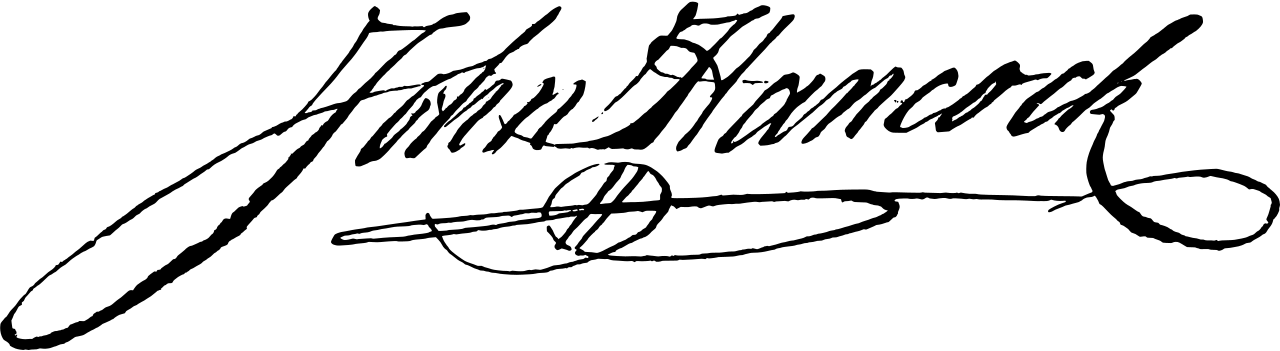
John Hancock
Benjamin Franklin
Woodrow Wilson
Arnold Schwarzenegger
Fyodor Dostoyevsky
Yuri Gagarin
Oscar Wilde
Walt Disney
Elon Musk
Albert Einstein
Donald Trump
Pablo Picasso
Napoleon
Slant +18°
Baseline +2°
Capital 2.9×
Loops 5
Ink Weight Medium
Flourish Paraph
“Alex Morgan” in John Hancock’s Style
A lex M organ
Trace & Score This Famous Style in Pad ↓
Download PNG
Download SVG