
HANDWRITING & GRAPHOLOGY
Handwriting analysis examples: a worked reading
Follow an actual handwriting sample from measured lines and word gaps to its graphology reading, then compare contrasting signature compositions.
A full-page handwriting example
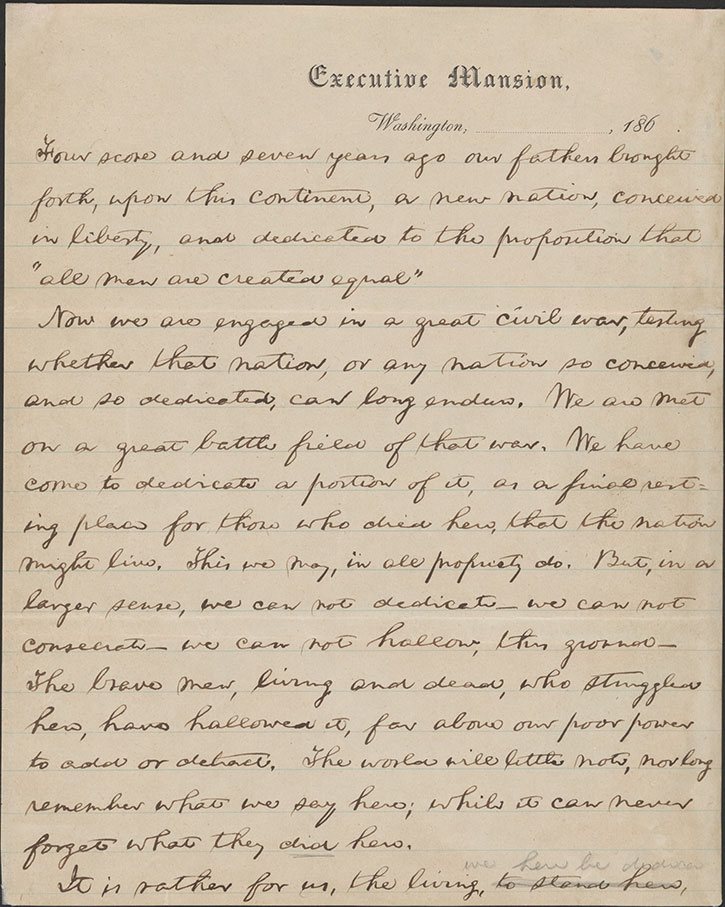
The analyzed view contains 21 writing lines and 231 measured word groups. Open the full result to inspect its marked stems, body band and gaps.
Work from measurements to observations
| Measurement | Example value | How to inspect it |
|---|---|---|
| Stem slant | 28.0° | Compare the slant layer with several tall strokes. |
| Lowercase body | 8.0 px | Follow the body band before inspecting extensions. |
| Word groups | 231 | Compare marked gaps with the clear spaces in the sample. |
| Writing lines | 21 | Check each baseline independently. |
The image values describe this pictured sample. Keep the actual paper scale separate when comparing writing from another photograph.
Read the feature combination
Begin with the repeated stem angle, the body band and the gaps between words. Then compare local exceptions: opening capitals, taller extensions and changes at the end of a line. The result explains the visible features behind each part of its traditional reading.
Compare name compositions






These signature images supply short, contrasting shapes. Compare their opening capitals and flourishes with the ordinary-text sample rather than treating a compact name as a full page.