Science · Autograph & handwriting
Albert Einstein signature
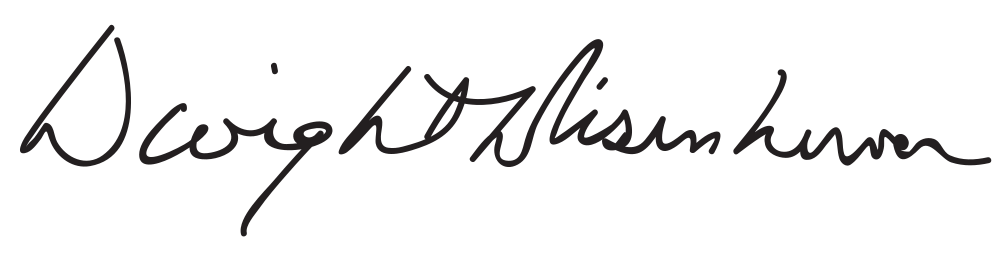
The first name and surname are written as recognizable cursive words.

What does Albert Einstein’s signature look like?
The first name and surname are written as recognizable cursive words. Small loops and connected lowercase forms carry most of the sample, without a large underline or enclosing flourish.
- Slant
- +31°forward
- Baseline
- −0.9°near level
- Width / height
- 6.82 : 1overall proportions
- Opening height
- 2.23×opening versus body letters
Follow the recognizable cursive name
The visible letters make this a useful specimen for following how a written name moves across a line. Start with each word’s taller opening, then inspect the smaller loops joining the lowercase forms. The finish keeps the focus on the words rather than a separate large flourish.
Albert Einstein signature analysis
Albert Einstein’s signature sample has 31° of forward slant, a near-level baseline and 8 enclosed loops. Use the layers to follow the writing line, letter band, slant and enclosed loops.
- Slantforward
- +31°
- Baselinenear level
- −0.9°
- Width / heightoverall proportions
- 6.82 : 1
- Opening heightopening versus body letters
- 2.23×
- Enclosed loopsclosed spaces in the image
- 8
- Ink groupsmain disconnected groups
- 5
- Ink densityinside the signature bounds
- 8.1%
- Underlineno long lower flourish
- None
- Finish heightrelative to the letter body
- +0.00×
Opening, letter body and finish
The enlarged opening stands above the smaller letters. The opening-to-body ratio is 2.23×, while the whole image is 6.82 times as wide as it is tall. The rightmost ink ends near the writing line; look at this ending separately from the slant of the letters themselves.
Loops and the lower flourish
The sample contains 8 enclosed loops and 5 main ink groups. The letterforms carry the main horizontal movement; there is no long lower underline detected beneath their band.
Albert Einstein’s signature in graphology
Traditional graphology associates forward slant with responsiveness and outward expression. An enlarged opening capital is read as emphasis on the public self. Economical strokes are traditionally read as directness.
Follow the forward-leaning strokes in this image alongside the enlarged opening. For another perspective on your own writing, the handwriting analysis tool brings slant, size and spacing into a full-page reading.
Signatures with similar shapes
Compare these samples’ slant, proportions and letter rhythm with Albert Einstein’s autograph.